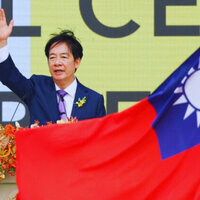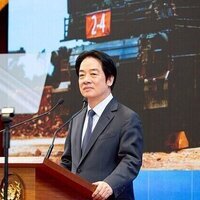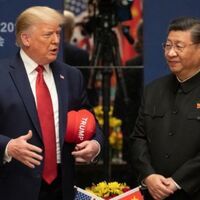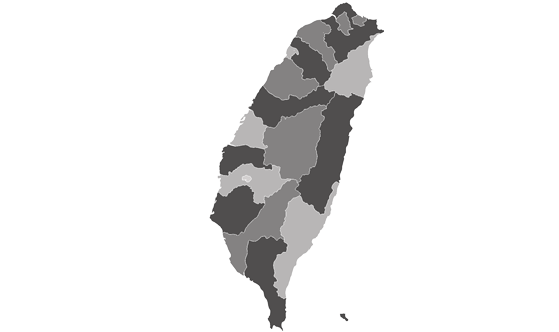


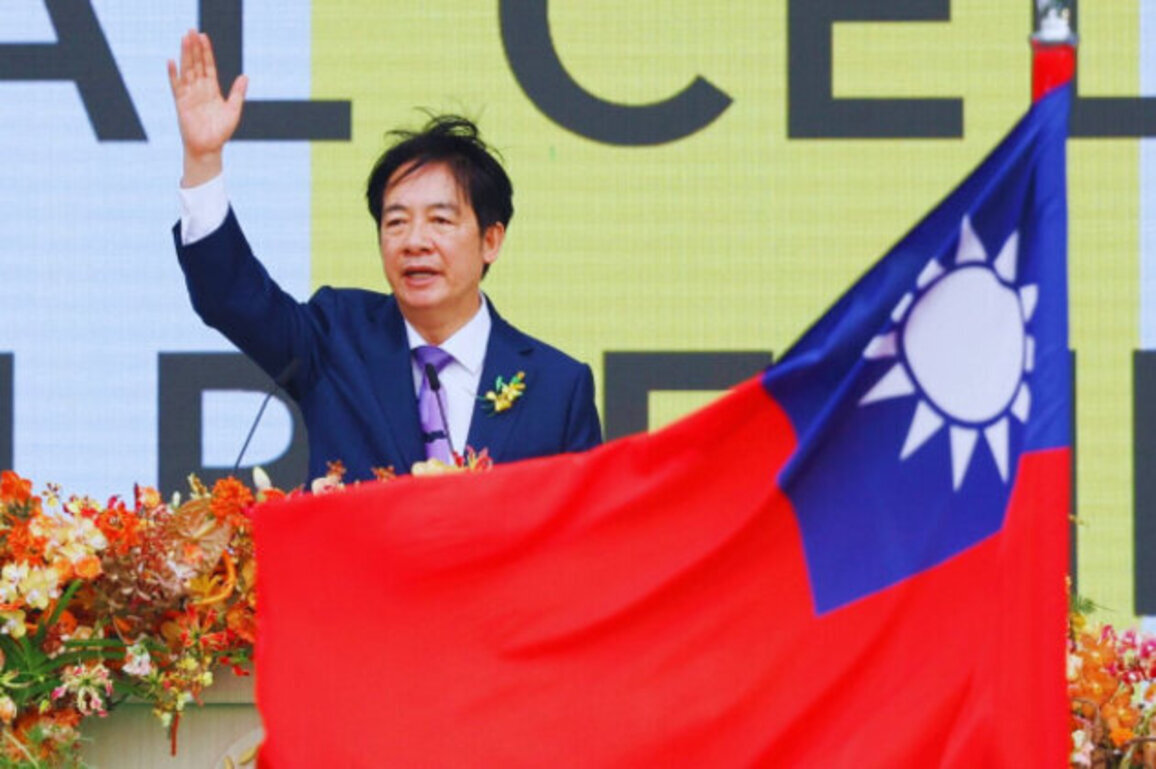
Taiwanese President William Lai Ching-te has said he would welcome direct talks with US President Donald Trump, after Trump publicly stated for a second time this week that he was prepared to speak with Taiwan's leader amid discussions over a major new American arms package for the island.
A direct conversation between the two presidents would mark a major break with diplomatic practice that has remained in place since 1979, when Washington formally switched diplomatic recognition from Taipei to Beijing under the ?One China? policy. Since then, no sitting US president and Taiwanese president have held direct official talks.
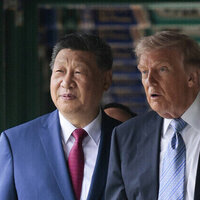
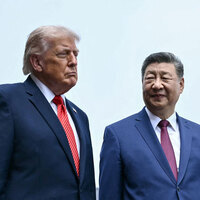
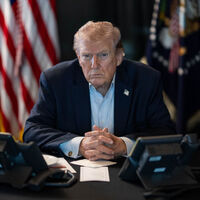
Speaking to reporters, Trump made clear that his earlier remarks following last week's summit with Chinese President Xi Jinping were intentional. ?I?ll speak to him. I speak to everybody,? Trump said, adding that he had ?a great meeting? with Xi during his visit to Beijing. He also referred to Taiwan as ?the Taiwan problem? and said: ?We?ll work on that.?
Taiwan's Foreign Ministry responded on Thursday by emphasizing that Lai remains committed to stability in the Taiwan Strait. According to the ministry, the president would be ?happy to discuss these matters with President Trump.? Taipei also stressed that Taiwan seeks to preserve the current status quo and accused Beijing of undermining regional stability. ?China is the disruptor of peace and stability,? the ministry said in its statement.
The renewed focus on Taiwan comes as the White House considers whether to move forward with a proposed arms package reportedly worth around billion. Trump hinted after returning from China that arms sales could become part of broader negotiations with Beijing. Despite the absence of formal diplomatic relations, the United States remains legally obligated under the Taiwan Relations Act to provide Taiwan with defensive capabilities.
Taiwanese officials have sought to reassure the public that Washington's overall policy toward the island has not fundamentally changed. Defense Minister Wellington Koo said Taipei remained ?cautiously optimistic? regarding future US weapons sales and insisted there had been no indication Trump had altered America's long-standing commitments during talks with Xi.
China has consistently opposed any visible or official-level engagement between Washington and Taipei. Beijing considers Taiwan part of its territory and has repeatedly warned that it reserves the right to use force to bring the island under its control if necessary.
Trump already caused diplomatic shockwaves in 2016 when, shortly after winning his first presidential election, he accepted a phone call from then-Taiwanese President Tsai Ing-wen. That move triggered immediate protests from Beijing and broke decades of carefully maintained protocol between the United States, China, and Taiwan.
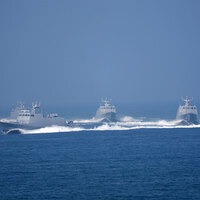
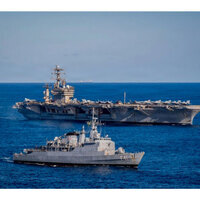
Taiwan has increasingly depended on US military and political backing as pressure from China intensifies. Chinese aircraft and naval vessels continue operating near the island on a near-daily basis, while Beijing has expanded military drills around Taiwanese waters. At the same time, Washington has encouraged Taipei to increase defense spending and deepen cooperation with American defense companies as concerns grow over possible future confrontation in the region.