

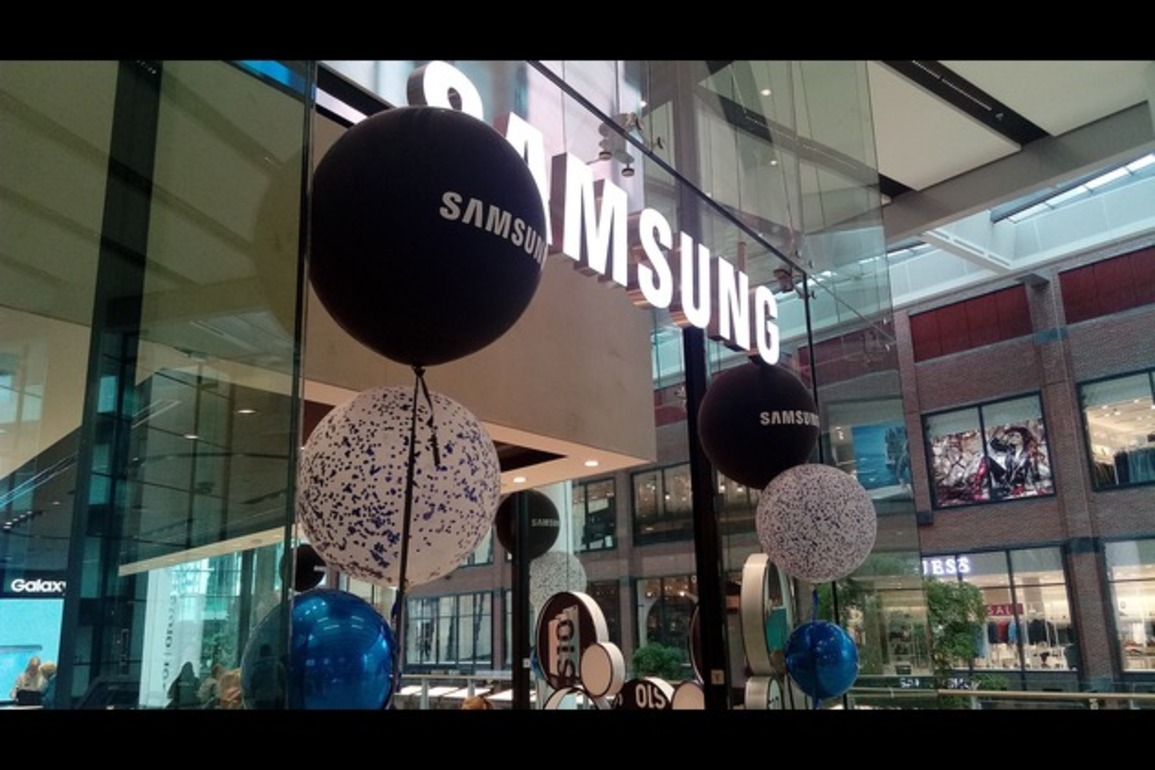
SEOUL, South Korea: Samsung Electronics is set to post its most substantial quarterly profit in three years, as a rebound in memory chip prices driven by the artificial intelligence boom helps offset delays in supplying its most advanced AI chips.
The world's biggest memory chipmaker is expected to report an operating profit of 10.1 trillion won (US$7.11 billion) for July to September, according to LSEG SmartEstimate data from 31 analysts. That would mark a 10 percent year-on-year increase and Samsung's highest profit since 2022.
Analysts said the recovery stems largely from rising prices for conventional DRAM chips, buoyed by data-center operators rebuilding inventories and investing in servers to power AI applications such as ChatGPT. Prices of some DRAM chips used in servers, smartphones, and PCs surged 171.8 percent from a year earlier, according to TrendForce.
"Demand from hyperscalers and AI-related investments is putting more workload on general servers, which is supporting conventional memory chip prices," analysts said.
The gains helped offset weaker sales of high-bandwidth memory (HBM) chips, which are critical for AI processing. Samsung has yet to supply its newest 12-layer HBM3E chips to Nvidia, causing it to lag behind rivals SK Hynix and Micron, both of which have benefited more from AI-driven demand.
Analysts noted Samsung's exposure to China, where U.S. export restrictions limit advanced chip sales, has also constrained its growth. Still, sentiment is improving as Samsung wins new supply deals with major customers such as Tesla and OpenAI.
Samsung shares have climbed more than 43 percent since it announced a $16.5 billion foundry agreement with Tesla in July. The partnership has raised hopes that the company's contract chip manufacturing unit, long seen as underperforming, could attract further business from major tech clients if the project succeeds.
During a visit to South Korea earlier this month, OpenAI CEO Sam Altman joined executives from Samsung and SK Hynix to announce partnerships to supply advanced memory chips for the Stargate AI project.
"Samsung will also benefit indirectly from the AI chip deal between OpenAI and AMD, one of its major HBM customers," said Ryu Young-ho, senior analyst at NH Investment & Securities.
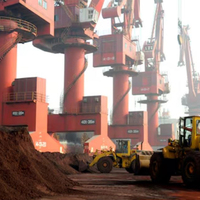
While Samsung's outlook is brightening, analysts warned of headwinds, including possible U.S. tariffs on semiconductors and China's export curbs on rare earth materials used in chipmaking.